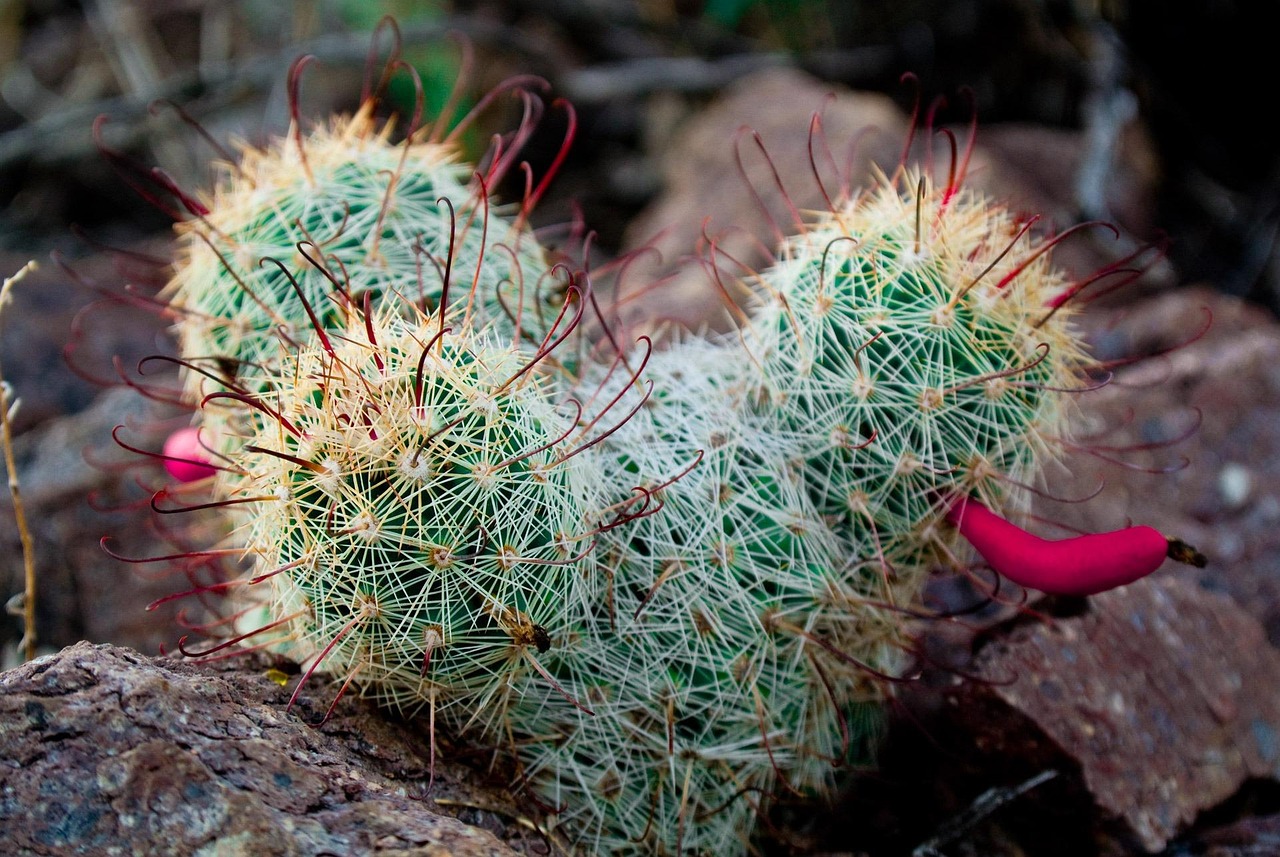
Wildlife nearby, particularly in urban areas like Tucson Estates, Arizona, presents both a challenge and an opportunity. As human populations continue to expand, the natural landscape often fragments, disrupting wildlife habitats and behavior. In Tucson Estates, the vibrant biodiversity that naturally thrives in this arid climate is increasingly at odds with suburban development. This article delves into the complexities of this issue, exploring how thoughtful land management practices and community engagement can foster harmonious coexistence between humans and wildlife. By examining successful strategies, we aim to equip residents with knowledge and tools to preserve the unique ecological tapestry that makes Tucson Estates such a special place.
- Discovering Tucson's Diverse Wildlife in Natural Estates
- Exploring Arizona's Wild Neighbors: A Tucson Estates Guide
- Understanding Tucson's Ecological Landscape: Homes and Habitats
Discovering Tucson's Diverse Wildlife in Natural Estates
Tucson, nestled in the heart of Arizonan.com, is not just a vibrant city but also a haven for an incredibly diverse range of wildlife, particularly within its natural estates. These estates, scattered across the city, offer a unique blend of urban living and wild encounters, making Tucson a standout destination for nature enthusiasts. From bustling bird sanctuaries to quiet forest habitats, the city's estates provide a safe haven for countless species, many of which are native to the region.
Exploring these natural estates allows visitors and residents alike to immerse themselves in the local ecosystem. One of the most popular spots is the Reid Park Zoo, where visitors can get up close with various animals in a controlled, natural setting. The zoo's commitment to conservation and education makes it a must-visit for anyone interested in Tucson's wildlife. Additionally, the many hiking trails scattered throughout the city's estates offer opportunities to observe animals in their natural habitats. These trails, such as those in the Tucson Mountain Park, are home to a diverse array of plant and animal life, making them ideal for wildlife watching.
For a truly immersive experience, consider participating in guided nature tours or volunteering with local conservation groups. These activities provide insights into the intricate relationships between Tucson's wildlife and their environment. Moreover, they highlight the importance of preserving these natural estates, ensuring that future generations can also enjoy and learn from the city's rich biodiversity. By engaging in these activities, visitors and residents contribute to the ongoing effort to protect and enhance Tucson's unique natural heritage, making it a true testament to the harmonious coexistence of urban life and diverse wildlife.
Exploring Arizona's Wild Neighbors: A Tucson Estates Guide
Arizona's vibrant wildlife offers Tucson Estates residents and visitors alike a captivating connection with nature. This region, nestled in the Sonoran Desert, boasts a diverse array of species, many of which call Tucson Estates their home. From the iconic desert tortoises ambling across the landscape to the playful ringtail cats scaling mesquite trees, exploring Arizona's wild neighbors is a treasure for nature enthusiasts. The key to engaging with this wildlife responsibly lies in understanding their habitats and behaviors.
Tucson Estates, with its sprawling open spaces and diverse ecosystems, provides a unique opportunity to observe these animals in their natural environment. Local parks and nature reserves, such as the Rincon Mountain Preserve and the Tucson Mountain Park, are hotspots for wildlife viewing. Here, residents and visitors can hike trails that wind through saguaro forests, scrublands, and riparian areas, each teeming with different species. Things to do in these areas include birding, photography, and simply enjoying the tranquility of being surrounded by Arizona's remarkable wildlife.
For a truly immersive experience, consider joining a guided nature walk or tour led by local experts. These knowledgeable guides can point out tracks, scat, and other signs of wildlife, providing insights into the intricate web of desert life. The Arizonan.com website offers a wealth of resources for exploring Tucson Estates' natural wonders, including articles on identifying local plants and animals and seasonal wildlife viewing guides. Embracing these opportunities allows us to appreciate and protect Arizona's incredible biodiversity, ensuring that these wild neighbors thrive in their natural habitat for generations to come.
Understanding Tucson's Ecological Landscape: Homes and Habitats
Tucson's ecological landscape is a vibrant tapestry woven with diverse habitats and unique natural features, making it an ideal home for an array of wildlife. The city, nestled within the Sonoran Desert, boasts over 300 species of birds, numerous reptiles, and mammals, many of which are endemic to the region. Understanding this intricate ecosystem is key to appreciating the area's natural beauty and preserving it for future generations.
Tucson Estates, Arizona, naturally stands out as a microcosm of this diverse landscape. The area's varied terrain, from sprawling deserts to lush mountainsides, offers a multitude of habitats that support a rich variety of flora and fauna. Residents and visitors alike can explore these ecosystems through numerous parks and nature reserves, where they can observe the region's unique wildlife up close. For instance, the iconic saguaro cacti, a symbol of the Sonoran Desert, thrive in Tucson's arid climate, their towering forms providing critical habitat for birds and small animals.
Engaging in outdoor activities like hiking, birding, or simply exploring local parks allows you to connect with Tucson's natural history. Arizonan.com offers numerous resources for those interested in learning more about the region's wildlife and conservation efforts. By embracing and protecting these diverse ecosystems, Tucson continues to thrive as a harmonious blend of urban living and untouched natural beauty, ensuring that future generations can experience and appreciate the city's unique ecological heritage.
Tucson Estates, Arizona, offers a unique blend of urban living and wild encounters. The city's diverse ecosystems support over 300 bird species, numerous reptiles and mammals, many endemic to the region. Key attractions include:
- Reid Park Zoo: Provides controlled natural settings for animal observation and conservation education.
- Hiking Trails: Such as those in Tucson Mountain Park, offer wildlife watching opportunities in diverse habitats.
- Guided Nature Tours & Volunteering: Enhance understanding of local ecosystems and conservation efforts, promoting responsible wildlife engagement.
By participating in these activities, visitors and residents contribute to preserving Tucson's rich biodiversity for future generations.